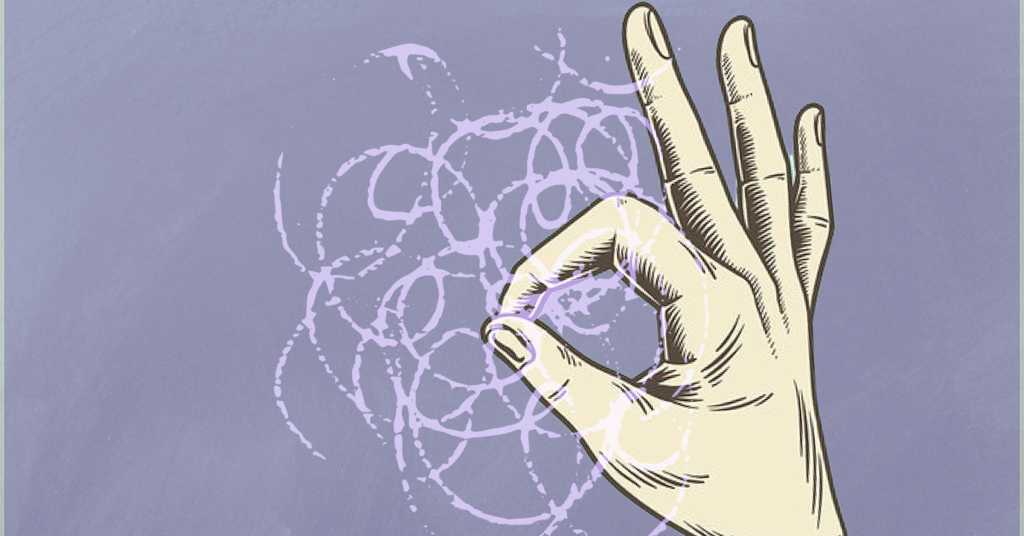
Giving up is the right choice when the thing you're clinging to no longer fits who you are or where your life is heading, and staying is costing you more than leaving would. Letting go of a goal that has stopped working is a skill, and using it frees your energy for something that will.
Giving up. Those two words have a bad reputation. We treat them like a moral failing, and there are whole speeches, even ballads, about why you should never do it.
We're here to say that sometimes you have to give up. Sometimes you even have to give up something good. If you've landed on this page, there's a decent chance you or someone close to you is weighing a decision that feels like quitting. And it's probably something that works, at least on paper. A relationship with a kind person you don't want to hurt. A business with real potential that your heart just isn't in. A job that looks great from every angle, except the one where you have to do it every day.
From the outside, it looks like a no-brainer to stay. People will tell you, "Don't fix what isn't broken." The trouble is, they aren't close enough to see the cracks. You are. We've all used that line on ourselves too, usually when we're scared of change. We like knowing what tomorrow looks like, and that pull is strongest when the thing we're thinking of leaving still mostly works.
Why Is It So Hard to Give Up?
Before we get to whether you should let go, it helps to know what's keeping you in place. Most of us are stuck on one of these four.
Judgment
We worry about what people will say if a big decision looks naive or rash. And we worry about what we'll say to ourselves, because most of us are our own harshest critics. The fear of being judged, by others and by the voice in our own head, can keep us in place for years.
Other people's feelings
Ending a relationship, closing a business, leaving a team: an unpopular decision will hurt people we care about. For many of us, this is the main reason we can't let go.
Identity
Often the thing we can't give up has become part of who we are. The high-profile job. The marriage of many years. The business with our name on it. We've lived with it so long that we've forgotten who we are without it.
The ripple effect
Giving up something big can change many parts of your life, and other people's lives too. That much uncertainty is frightening, and it's tempting to stay put just to avoid finding out.
Take a minute now and name which of the four is yours. Write it at the top of a page. Knowing what's really in the way makes the rest of this a lot easier.
What Does Research Say About Letting Go?
Quitting gets a bad press, but psychologists have studied it seriously. In a 2003 paper, Carsten Wrosch and colleagues at Concordia University and other institutions looked at how people let go of goals they couldn't reach. Across three studies, including students, older adults and parents of children with cancer, people who could step back from an unreachable goal, and then put their effort into a new one, tended to report higher wellbeing.
That second half matters. Letting go seems to work best when you turn towards something else. So as you think about giving something up, start a short list on the same page: what would you put that time, money and energy into instead?
When Should You Consider Giving Up?
So how do you know if giving up is right for you? Here are the situations where it's worth taking seriously.
You're reaching for something better
If you've felt for a long time that something is missing, and you've given it a fair go, your heart is probably telling you something. You may already know that this isn't it, especially if the decision is about your career. Write down what "better" would look like in one sentence. If you can describe it, it's worth moving towards.
Your priorities have changed
A big life event can shift how you see everything. Having your first child, becoming an empty nester, a health scare: any of these can change your priorities almost overnight. If that's happened, give yourself permission to let go of what no longer fits the life you're living now. List your top three priorities today and check whether this thing serves any of them.
Your heart already knows
Put the how, when and why aside for a moment. How do you honestly feel when you picture giving this up? Relief? Grief? Both? Try this: imagine you've already made the decision and told everyone. Notice your body. A loosening in your chest says a lot.
It's keeping you from being happy
If this thing is standing between you and a life you'd enjoy, that counts. We're only here for a short while, and you deserve to be happy instead of miserable because of what others might think. Ask yourself, "If I knew nobody would judge me, would I still be doing this?"
You can't stop thinking about it
If you've been turning this over for months, the scales are probably already tipping. Often the only thing stopping you is one of the four reasons above. Go back to the one you wrote down and be honest with yourself about it.
It's draining you
Some decisions wear you out emotionally, physically or financially. If you're stressed about this all the time, can't relax, and can't see it improving soon, that's a strong signal. Notice how you feel at the end of a day spent on it, and write that down for a week.
How Do You Give Up Well?
Deciding is one part. Doing it with care is the other. A few steps help.
- Move before you decide. Go for a ten-minute walk before you sit down with the big question. A tired, tense body tends to make tense decisions.
- Ask a smaller question. "Should I leave?" is huge. "If I had to decide by Friday, which way would I lean?" is answerable.
- Talk to one person who has no stake in it. A friend outside the situation can hear what you're saying without needing a particular answer.
- Plan for the people affected. Think about how and when you'll tell them, and what they'll need from you. Kindness in the way you leave goes a long way.
- Check in after seven days. Ask yourself how the decision feels a week on. Relief usually means you're on the right track.
If things simply aren't going your way right now and you're not sure it's time to quit, our piece on what to do when things are just not working out may help you sort one from the other. And if the change itself is what scares you, read why we should embrace change.
Giving Up Takes Strength
People who tell you never to give up often say it's the easy way out. We believe that walking away from something that isn't working, or that's holding you back from being who you are, is one of the hardest things you'll ever do. It asks you to accept your own limits. It takes strength, and compassion for the people your decision will touch. Above all, it takes commitment to being true to yourself.
If you've been stuck on this for a long time and it's affecting your sleep, your mood or your health, talk to your doctor or a therapist. A hard decision is easier to carry with someone beside you.
Write the decision at the top of a page tonight, then the one sentence you'd say if you'd already made it. Read it again in the morning.
Lifeism shares ideas and practices for reflection. It is not medical, psychological or financial advice. Read our Disclaimer.