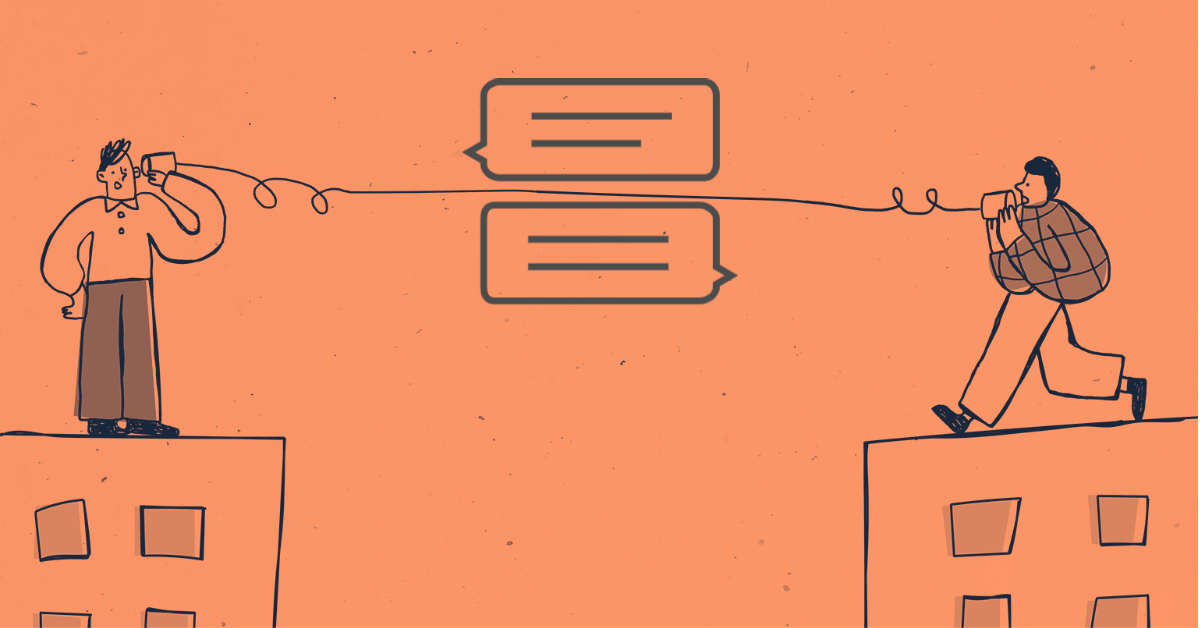
To be a better communicator, think before you share, ask good questions and then really listen, put the phone away, let a pause be a pause, and notice what's going on inside you while you talk. None of it needs a course or a personality transplant, just a little practice, one conversation at a time.
So much of our day runs on talking to each other. From the moment we wake up to the moment we turn the light off, we're swapping information, feelings, plans and the occasional complaint about the weather. And yet most of us, if we're honest, have walked away from a conversation thinking, "That's not what I meant at all."
We've also drifted towards the easy channels. We text instead of calling, and an unexpected ring can feel faintly alarming. We send "LOL" instead of actually laughing with someone. The technology is wonderful, we can reach anyone anywhere with a tap, but it has made it very comfortable to stay in our bubble and very awkward to step out of it.
The good news is that the art of talking to another person is just out of practice. Your voice is as particular as your fingerprint, and it's worth learning to use it well. Here are five simple ways to start, each with one small thing to try in your very next conversation.
Put it through the test of three
We've all done it. We hear a juicy piece of news about a coworker or a neighbour, and the phone is in our hand before we've asked ourselves whether it's even true.
There's an old filter for exactly this moment, usually called the "test of three" or the triple filter test. Before you pass something on, ask three questions. Is it true? Is it good, meaning does it treat the person kindly? Is it useful to the person you're telling? If the answer is no across the board, you've just saved yourself a conversation you'd regret.
A small confession on behalf of the internet: the story is nearly always told about Socrates, but nobody has found it in Plato or Xenophon, the people who actually wrote his words down. A close cousin, "Is it true? Is it necessary? Is it kind?", has been traced to an 1872 poem by Mary Ann Pietzker. The filter works just as well without the famous name attached.
Being a good communicator means knowing what to share, when to share it and how to share it responsibly.
Try it next time: the next time you're about to pass on news about someone who isn't in the room, pause and run the three questions in your head. If it fails one, keep it to yourself.
Ask, then actually listen
Good conversations start with good questions. Not interrogation, just genuine curiosity about the thing the other person is trying to tell you. When we wander off into details that don't matter, the conversation loses its thread, and so does the other person.
Then comes the harder half. Most of us don't really listen. We hear the other side while silently polishing what we're going to say next, waiting for our turn like it's a queue at the post office. Real listening means taking in what they're saying, and trying to understand why they're saying it, before you decide how you feel about it.
Listening also means noticing what isn't said. The tone of voice, the shrug, the sentence that trails off. We understand people best when we listen with our eyes as well as our ears.
Try it next time: before you give your view, sum up what you just heard in one sentence. "So what's bothering you is that nobody asked first?" If they say "Yes, exactly," you've listened. If they correct you, you've learned something, which is even better.
Let your body show up too
A good conversation starts with something almost too simple to mention: facing the person, sitting or standing comfortably, and looking at them. And yet we spend half our in-person conversations glancing at a screen, shifting on our feet and checking a phone that didn't actually buzz.
It turns out the phone doesn't even need to ring to get in the way. In two small experiments, researchers Andrew Przybylski and Netta Weinstein found that just having a mobile phone in view could make people feel less close and less connected to the person they were talking to, especially when the topic was personal. It's one study, not the last word, but it rings true for most of us.
Being physically present tells the other person they matter more than whatever might be happening elsewhere. Relaxed shoulders and steady eye contact do a lot of the talking for you.
Try it next time: before your next real conversation, put your phone face down in a bag or another room, not on the table. Notice whether the conversation feels any different.
Don't rush to fill every silence
Silence in a conversation can feel like a small emergency. Someone stops talking, nobody jumps in, and suddenly we're offering opinions on the weather just to make it stop.
But pauses are where a lot of the good stuff happens. They give the other person room to finish a thought they hadn't quite got to. They give you time to work out what you actually think. And in a heated conversation, a pause is often the only thing standing between a calm reply and one you'll be apologising for tomorrow.
You're allowed to say nothing for a moment. It doesn't make you boring. It usually makes you easier to talk to.
Try it next time: when the other person stops talking, count to three in your head before you reply. You'll be surprised how often they keep going, and what they say next.
Know what's going on inside you
It's easy to lose yourself in a conversation, especially when it's about something you care about. Before we know it, we're reacting to every remark rather than responding to the point, and saying things a little louder and sharper than we meant to.
Self-awareness is the hidden skill underneath all the others. It's noticing that your jaw has clenched, that you've stopped listening because you feel judged, or that you're arguing to win rather than to understand. Once you notice it, you get a choice about what to do next.
You can build it away from the conversation itself. A few minutes of journaling each evening, asking "When did I feel defensive today, and why?", teaches you a lot about your own triggers. A short daily sit helps too. If you're new to it, these six easy meditations are a gentle place to start.
Try it next time: pick one feeling to watch for in your next difficult conversation, maybe irritation or the urge to interrupt. When you catch it, name it silently to yourself. That's all. Just naming it takes some of the heat out.
Better conversations, better relationships
We believe the way we talk to each other shapes almost everything else: our friendships, our work, our families and the person we share the sofa with. Good communication is at the heart of the signs of a healthy relationship, and it's one of the first things worth tending when you want to rekindle a relationship that has gone a bit flat.
You don't have to practise all five at once. Pick one, try it in your next conversation and see what changes. Nobody gets this perfect, us included. You'll get better at it, one conversation at a time.
Which of these do you find hardest? Tell us in the comments, along with any trick that helps you, and we may add it to this list.
Lifeism shares ideas and practices for reflection. It is not medical, psychological or financial advice. Read our Disclaimer.