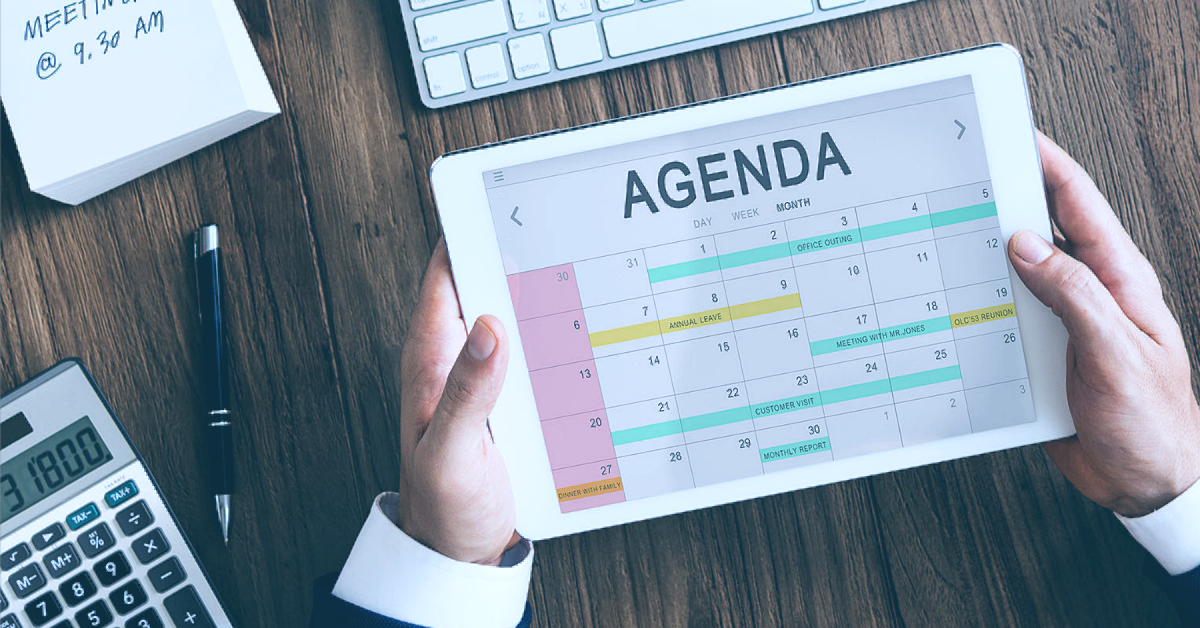
You increase your productivity by working on the right thing with fewer interruptions, not by doing more things faster. Pick a planning system you'll actually use, guard your attention from email, keep your space clear, do the hard task first and protect your rest so you can do it all again tomorrow.
We tend to treat productivity as a synonym for busy. A full calendar, a long list, a slight sense of panic by four o'clock. We've all had days like that, and most of us have noticed they don't always add up to much.
Productivity started life as an economic term, a plain ratio of what you put in to what you get out. People aren't factories, though. For some of us, being more productive means finishing the report. For others it means getting home in time for dinner. So before you change anything, take a moment to ask yourself what you actually want the extra time or energy for. That answer is what will keep you going when the new habit gets boring, and it will.
Set up a planner you will actually keep
This one is basic, but it's the foundation. Finding a planning system that suits you will make you slightly less productive for a week or two while you try things out. That's fine. Once something sticks, you'll get through your work much faster.
Digital or paper, it doesn't matter. We know very capable people who run their whole week on sticky notes. If you want a framework, read up on Kanban, the Pomodoro Technique, the Bullet Journal or Getting Things Done, and ask the only question that counts: which one am I most likely to keep using?
There's a nice side effect, too. In a series of experiments, psychologists found that making a specific plan for an unfinished goal reduced the intrusive thoughts that goal otherwise caused, even before the task was done. Writing it down and deciding when you'll do it seems to let your mind put it down for now.
Try this: spend five minutes before you start work looking over the day's tasks and choosing the three that matter. Everything else is a bonus.
Let technology do the remembering
We're fond of paper planners, but some jobs are simply better handed to a phone. Location-based reminders are a good example: set one to remind you to pick up groceries as you leave the office, and you no longer have to carry that thought around all afternoon.
Note apps such as Evernote, OneNote or Notability are handy for keeping important documents in one searchable place. And if you love handwriting, a tablet with a stylus, or a smart notebook that digitises your pages, gives you the best of both worlds. Leave your planner at work and your notes still come home with you.
Try this: pick one recurring thing you keep forgetting and turn it into an automatic reminder today. Just one. See how it feels to stop remembering it.
Stop reacting to every email
We all do it. A notification arrives, and we open it, even when it's a newsletter we never read. Inbox zero becomes a background goal. The trouble is that every time we break off from something important, it takes real effort to find our place again.
The good news is that you probably don't need to check as often as you think. A study by psychologists Kostadin Kushlev and Elizabeth Dunn, titled, rather helpfully, "Checking email less frequently reduces stress", found exactly what it says on the tin.
If your job requires quick replies, set some sensible rules rather than going cold turkey. For instance, don't check email first thing in the morning, during lunch or right before bed. And when you're doing focused work, close the email tab entirely.
Try this: choose two or three set times for email tomorrow and put them in your calendar. Outside those times, the inbox can wait.
Keep your workspace clear
Our desks often mirror the state of our heads. Ever noticed how yours gets wilder the closer you get to a deadline? We have. A tidy desk doesn't just help you find the stapler. It removes a small, constant tug on your attention.
These days, workspace includes the digital kind. A desktop covered in "final_v3_REALLY_final" files and an inbox with no folders cost you time every single day, a few seconds at a time, hunting for the thing you need.
Try this: set a timer for ten minutes before you finish work. Clear the desk, close the tabs, file the downloads. Tomorrow-you will be grateful.
Do the difficult task first
You've heard this one before, often as "eat the frog", and there's a reason it keeps coming up. Tackling the hard, important task while you're fresh means the rest of the day feels lighter, and the thing you've been dreading doesn't get pushed to tomorrow again.
If the task feels too big to start, it's probably not a task. It's a project wearing a task's clothes. Large, vague items like "sort out finances" sit on lists for weeks because we don't know where to begin. Break them into steps small enough that the first one is obvious. If starting is the real sticking point, our guide on how to stop procrastinating goes deeper.
Try this: tonight, write tomorrow's hardest task at the top of your list, with its first tiny step underneath. Start there, before you open anything else.
Protect your rest
This isn't a sixth tip so much as the thing that makes the other five work. Productivity that eats your evenings and your sleep is borrowing from tomorrow.
Short breaks help more than we tend to admit. A 2022 review of micro-break studies found that breaks of ten minutes or less modestly boosted energy and reduced fatigue, though the effect on overall performance was small, and longer breaks seemed to help more after demanding work. So stand up, look out of the window, refill your water. If you spend your day at a screen, our self-care tips for computer users are a good place to start.
And you don't need to be productive every waking hour. You're allowed a slow evening. You're allowed a weekend that achieves nothing at all.
We believe a good day is one where you did what mattered and still had something left for the people and things you love. Start with one of these tips. Small changes add up faster than you'd expect.
And if you have a favourite productivity tip of your own, tell us in the comments. We're always happy to steal a good one.
Lifeism shares ideas and practices for reflection. It is not medical, psychological or financial advice. Read our Disclaimer.